No products in the basket.
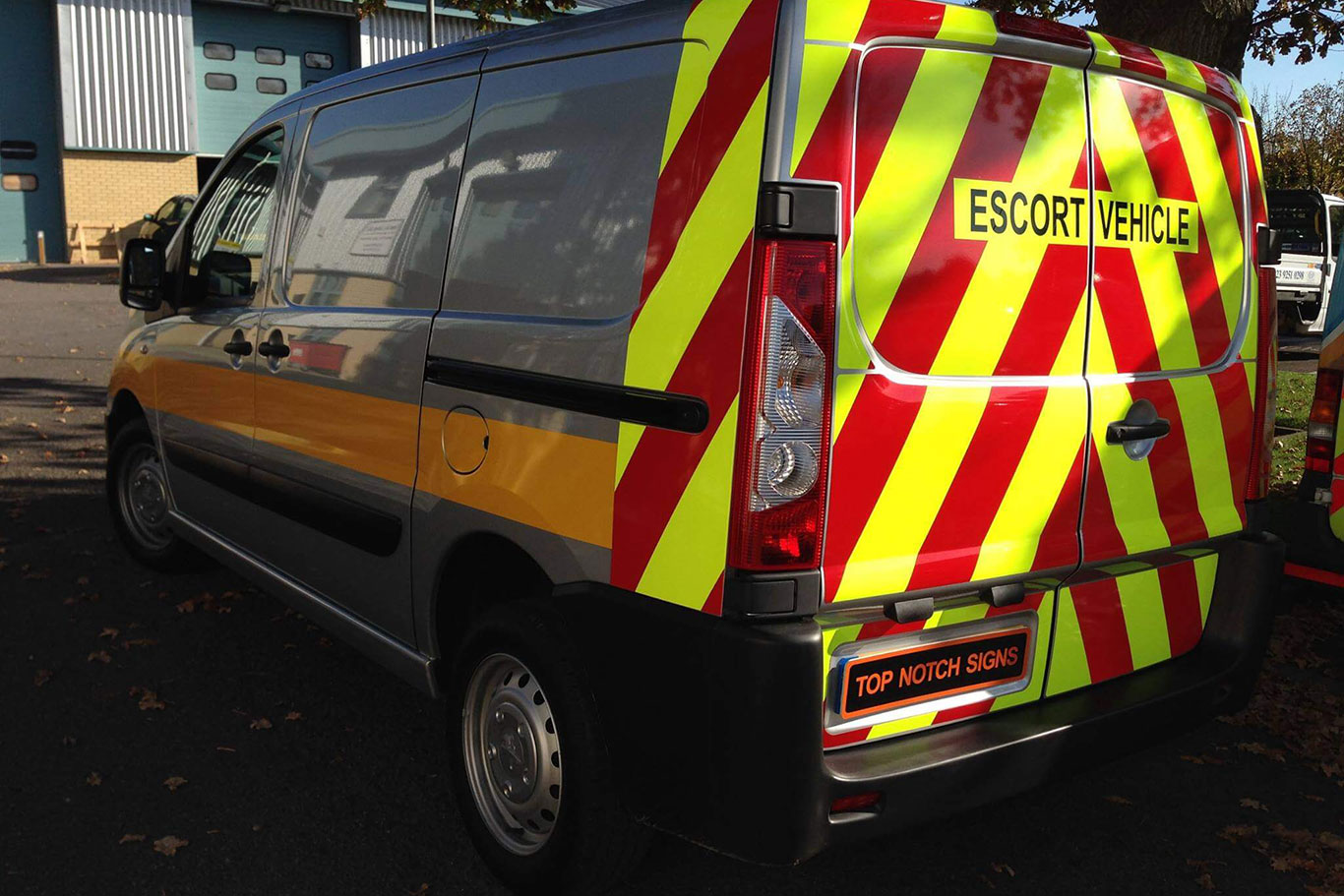
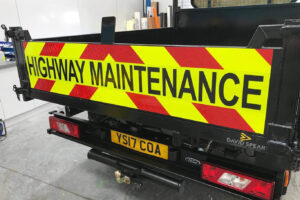
Car chevrons are one of the most recognisable vehicle safety markings on UK roads. Typically seen on vans and commercial vehicles, they are designed to increase rear visibility and alert approaching drivers to potential hazards.
If you operate a vehicle for work purposes, especially on or near public roads, understanding whether you need car chevrons is essential for both safety and compliance.
Car chevrons are reflective markings applied to the rear of a vehicle in a diagonal pattern, usually in alternating red and yellow.
They are designed to:
They are commonly used on:
Car chevrons are not universally mandatory for all vehicles. However, they are often required or strongly recommended depending on how the vehicle is used.
In these cases, chevrons are usually part of broader safety guidelines such as Chapter 8.
Vehicles involved in road maintenance or traffic management almost always require chevrons due to their exposure to moving traffic.
Gas, water, electricity and telecoms providers often use chevrons because their vehicles:
Even smaller operators, such as:
may benefit from chevrons if they regularly park or work near roads.
Not using chevrons when appropriate can lead to:
A contractor’s van parked on a roadside without chevrons may not be easily visible in poor weather. With chevrons, the vehicle becomes significantly more noticeable, giving drivers more time to react.
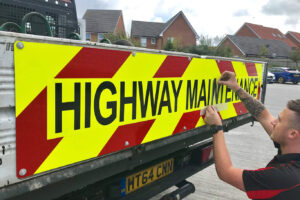
These provide a professional finish and reduce installation errors.
Higher reflectivity improves visibility at greater distances.
Chevrons are often used alongside other visibility solutions.
Combining these elements creates a more effective safety system.
To ensure long-term performance:
Poor installation can reduce effectiveness and lifespan.
Q1: Can I install car chevrons myself?
A: Yes, although pre-spaced or fully assembled kits make installation easier and more accurate.
Q2: How long do chevrons last?
A: High-quality chevrons can last several years with proper care.
Q3: Are car chevrons only for large vehicles?
A: No, they can be used on vans and smaller commercial vehicles as well.
Car chevrons are a simple but highly effective way to improve vehicle visibility and safety. While not always legally required, they are often essential for compliance with industry standards and best practice.
Choosing the right type of chevrons and ensuring proper installation helps protect both drivers and other road users.
If your vehicle operates in environments where visibility matters, investing in high-quality chevrons is a practical and responsible choice.
Phone: 023 9252 0333
Email: info@allaboutchevrons.com
Find out more: https://allaboutchevrons.com/
View the Chapter 8 compliance guide.