No products in the basket.
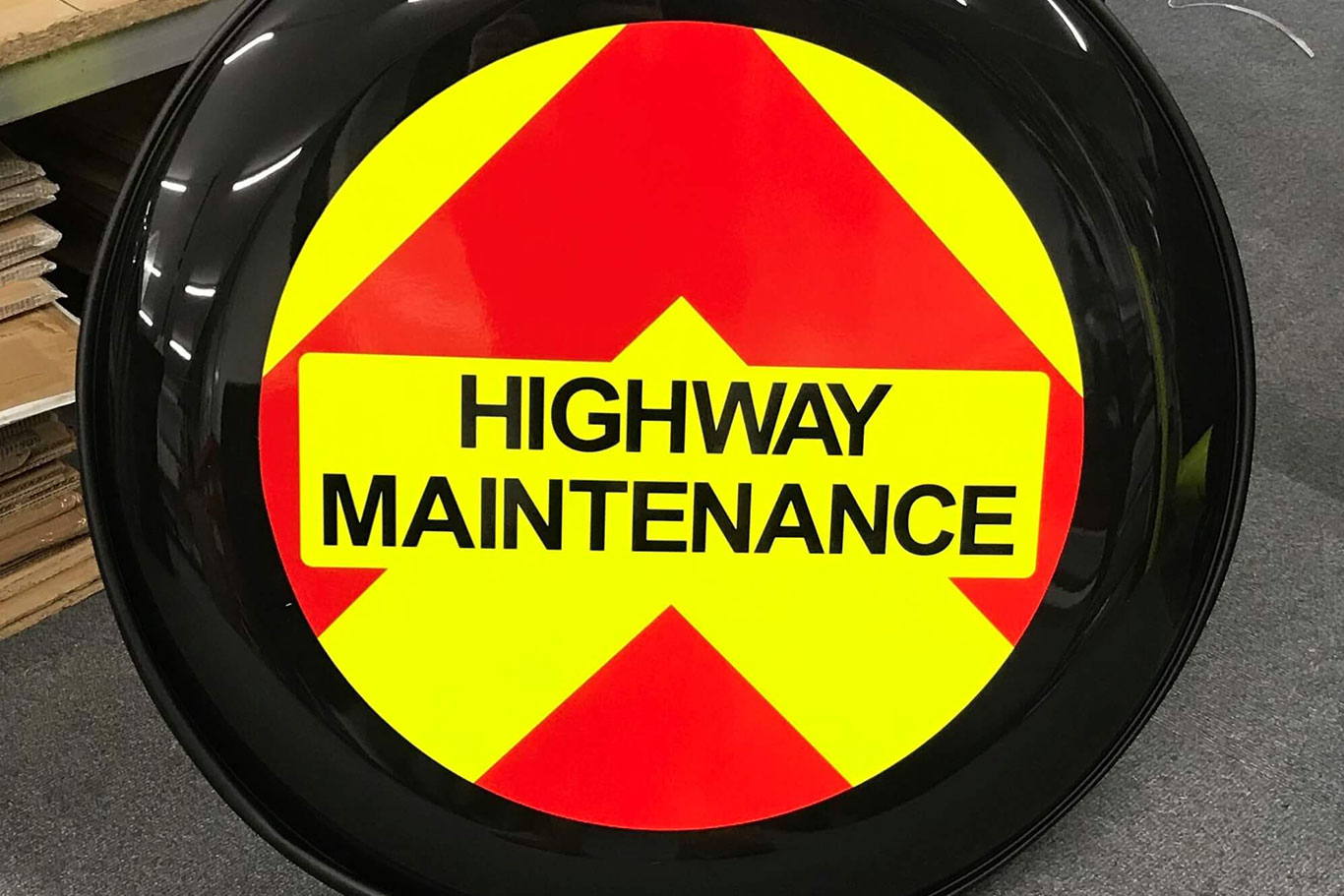
Chapter 8 signs are a key part of vehicle safety for anyone working on or near UK roads. If your vehicle operates in environments where traffic is present, understanding when Chapter 8 signs are required is essential for both compliance and safety.
For contractors, utilities and highway teams, Chapter 8 signs are not optional in many situations. They are a recognised standard designed to improve visibility and warn other road users of potential hazards.
Chapter 8 signs refer to traffic and vehicle safety signage outlined in the UK’s traffic management guidelines, specifically within the Department for Transport’s Chapter 8 framework.
These signs are used to:
They are often used alongside:
If a vehicle is operating on or alongside a public road, Chapter 8 compliance is typically required. This includes:
These vehicles must clearly communicate their presence and purpose to approaching drivers.
Any vehicle that:
will usually require Chapter 8 signage.
A telecommunications contractor working on roadside infrastructure uses a van that stops at multiple locations throughout the day. Without proper Chapter 8 signs, approaching drivers may not receive enough warning, increasing the risk of collision.
On motorways and A-roads, visibility requirements are significantly higher.
Chapter 8 signs become critical because:
In these environments, signage works alongside chevrons to maximise visibility.
Chapter 8 signage is widely used by:
These industries often operate in environments where traffic interaction is unavoidable.
Even if you are not directly employed by a local authority, you may still need Chapter 8 signage if your work affects the public highway.
This includes:
Compliance is based on activity, not organisation type.
Failing to use Chapter 8 signs when required can lead to:
Without proper signage, other road users may not:
This significantly increases risk for both workers and the public.
A common misconception is that chevrons alone are sufficient.
They are designed to work together, not replace each other.
A highway vehicle may display:
This combination delivers both awareness and direction.
Signs must withstand:
To ensure proper use of Chapter 8 signs:
Regular checks should be carried out to maintain effectiveness.
Q1: Are Chapter 8 signs legally required?
A: While Chapter 8 itself is guidance, it is widely treated as the industry standard and expected for safety compliance.
Q2: Do all commercial vehicles need Chapter 8 signs?
A: No, only those operating on or near public highways where traffic interaction occurs.
Q3: Can I use temporary Chapter 8 signs?
A: Yes, portable signs are often used depending on the nature of the work.
Chapter 8 signs are a fundamental part of working safely on UK roads. They provide clear warnings and instructions that help protect both workers and the public.
Understanding when they are required ensures compliance, reduces risk and supports professional standards across industries.
If your vehicles operate on or near public roads, ensuring proper signage and visibility is essential. High-quality, compliant solutions help you work safely and confidently in any environment.
Phone: 023 9252 0333
Email: info@allaboutchevrons.com
Find out more: https://allaboutchevrons.com/
View the Chapter 8 compliance guide.