No products in the basket.
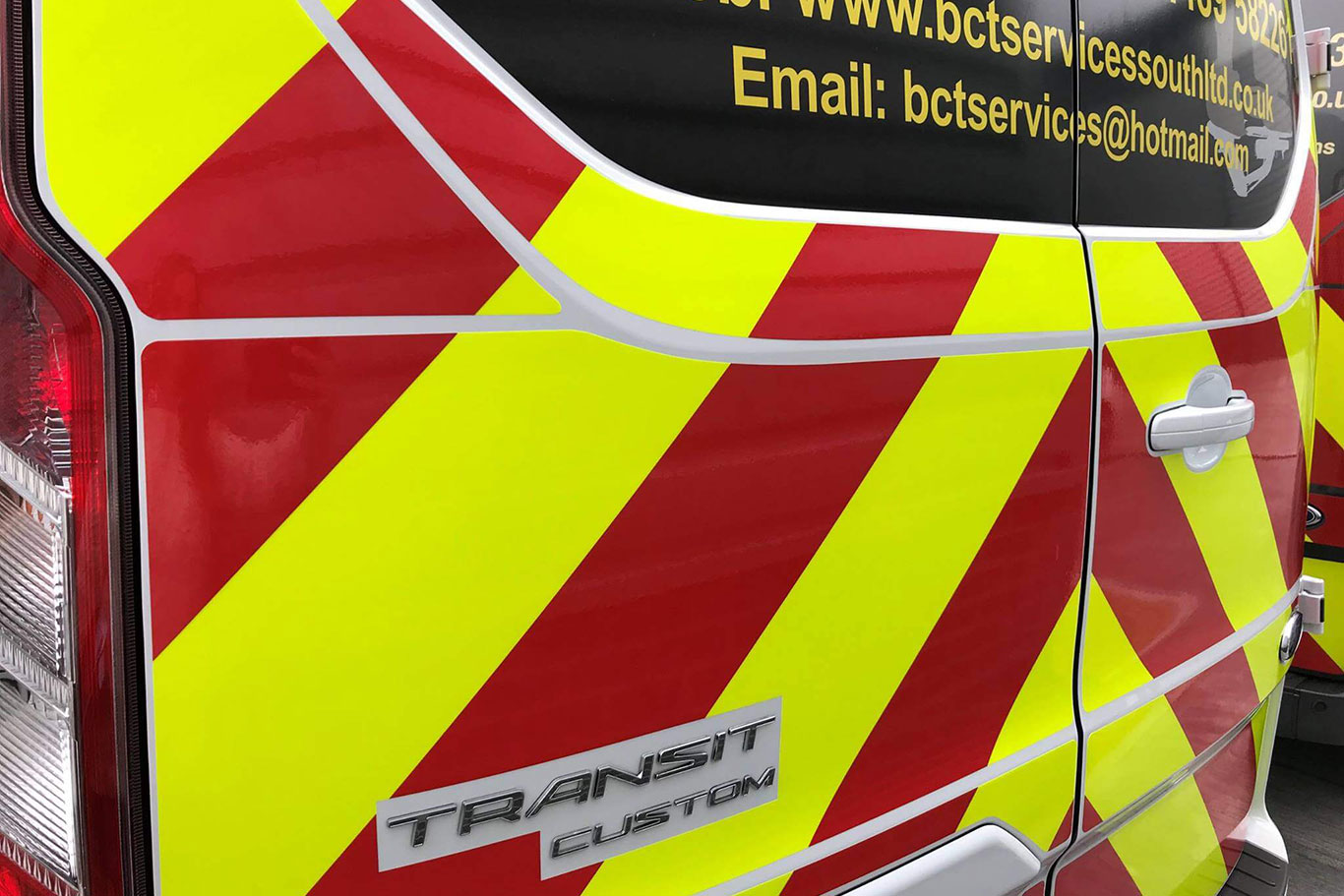
Checking vehicle marking specifications before roadside work means comparing the requirements of the assignment with the markings fitted to the actual vehicle. A red and yellow chevron pattern, an old purchase invoice or previous acceptance on another contract cannot establish suitability on its own.
Start with the work being planned. Confirm the applicable requirements, identify the product and material fitted, then check the layout against the vehicle in its working configuration.
This gives fleet managers a clearer basis for allocating vehicles and resolving gaps before a crew arrives on site. It also separates two different tasks: establishing that the specification is appropriate, and maintaining the markings once the vehicle is in use.
A van’s existing markings tell you what has been fitted. They don’t explain why that specification was selected or which assignments it was intended to cover.
Before assessing the kit, establish where and how the vehicle will be used. Relevant details can include the road environment, whether the vehicle will stop for work or inspections, and its role within the planned operation.
HSE’s vehicle selection guidance emphasises checking that vehicles are safe and suitable for the work they will undertake. For fleet planning, this supports assessing the vehicle against its intended task rather than assuming its normal allocation remains appropriate. HSE
For example, a van previously used for deliveries to a depot might be reassigned to a roadside inspection team. Its service history and general condition remain relevant, but the new activity needs its own suitability assessment.
Make that reassessment before the vehicle enters the new role.
Ask the organisation responsible for the work to identify the applicable vehicle specification and supporting documents.
Depending on the arrangement, that could involve the principal contractor, client, road authority or person responsible for planning the operation. Establish who can clarify requirements and accept the proposed vehicle configuration.
Chapter 8 of the Traffic Signs Manual is an important reference for roadworks and temporary traffic management. National Highways describes it as guidance supporting legal requirements and industry best practice. It should not be treated as a universal product certificate covering every vehicle and activity. National Highways
Keep a record of the documents being used, including their titles, revisions and any project-specific instructions. Check the current official sources rather than relying on an undated checklist copied from an earlier contract.
If the instruction simply says “Chapter 8 compliant vehicle”, ask what evidence and marking specification the responsible organisation expects. Resolve unclear wording before selecting or replacing a kit.
A product description is a starting point for identifying a kit. It does not establish that the complete vehicle is suitable for every roadside job.
Separate the assessment into three questions:
| Check | What you need to establish |
|---|---|
| Product specification | Which materials and mounting format have been supplied? |
| Vehicle configuration | Does the fitted layout suit the actual bodywork and equipment? |
| Assignment requirements | Does that combination meet the requirements identified for this work? |
These checks prevent a common purchasing mistake: treating a product label as an answer to questions about installation, vehicle equipment and operational use.
A vehicle-specific kit can provide the correct shapes for a particular rear-door arrangement while still requiring confirmation of the material grade specified for the assignment.
Likewise, a suitable material cannot compensate for missing sections or a layout obstructed by equipment.
Use identifiable product information wherever possible.
Look for the original order confirmation, invoice, kit specification and relevant manufacturer technical documentation. If the records are incomplete, contact the supplier with the available details.
All About Chevrons offers different reflective material options, including engineering grade and an upgrade to high-intensity prismatic red. Its standard construction also distinguishes fluorescent yellow from retroreflective red. Those details show why “reflective chevrons” is too broad a description for a specification check. All About Chevrons
Ask for clarification of the actual product supplied and how its documented specification relates to the requirement you have been given.
A photograph may help identify the kit and its condition, but it should not be treated as proof of a technical performance classification. Similarly, a torch check cannot certify a material grade or establish complete compliance.
Where evidence is missing, record the uncertainty and arrange the appropriate verification or replacement.
Check the vehicle itself rather than relying entirely on a fleet database.
Confirm its make, model, year, body style and rear-door configuration. Then compare the fitted markings with photographs of the current rear layout.
All About Chevrons identifies windows, ladders, handles, sensors and other fittings as relevant information when selecting a kit. Its magnetic options also require suitable panels and will not attach to aluminium, plastic or composite surfaces. All About Chevrons
Pay particular attention to vehicles that have been repaired or converted since their markings were fitted. A replacement door, new equipment mount or changed rear assembly may mean an earlier photograph no longer represents the working vehicle.
If the layout needs revising, provide those details when discussing suitable chevron kits. That is more useful than ordering from an approximate model description.
Assess the vehicle in the configurations it will actually use.
A photograph with every door closed and equipment stowed may not reveal what approaching traffic will see when the vehicle is carrying out its task.
Consider rear-mounted equipment, working attachments and other items that could cover the marked surface. Where the operation involves an obstruction, refer it to the person responsible for the vehicle specification and work planning.
The published Chapter 8 operations guidance specifically addresses situations where mounted equipment obscures rear high-visibility markings. This demonstrates why a layout review needs to consider the working arrangement as well as the parked appearance. assets.publishing.service.gov.uk
Don’t improvise additional markings without checking their suitability. Establish the required arrangement and obtain a product designed for the relevant surface and use.
Create a short record that connects the requirement, product and vehicle.
Useful information includes:
Record what has actually been established. “Invoice confirms material supplied” is more informative than a tick beside “compliant”.
Where someone approves the configuration for an assignment, retain their response and its scope. Acceptance for one project should not silently become approval for every future use.
This record supports the allocation decision. Routine checks can then monitor whether the approved arrangement remains present and serviceable.
Raise the specific uncertainty before allocating the vehicle to work that depends on the unresolved requirement.
Identify whether the gap concerns the requirement itself, the material evidence or the fitted layout. Each needs a different response.
An unclear contract instruction requires clarification from the responsible organisation. An unidentified material may require supplier evidence. An obstructed layout needs a review of the vehicle configuration.
For example, a replacement hire van might arrive with chevrons already fitted but no supporting product information. Matching colours do not resolve the missing evidence. Ask for the specification and confirm suitability before relying on that vehicle for the planned assignment.
Keep the query open until the relevant person has resolved it.
It provides context, but the next assignment may have different requirements. Check the scope of the earlier acceptance and compare it with the new work.
A fleet can adopt agreed specifications, but each vehicle still needs checking for body configuration, mounting compatibility and intended use. A mixed fleet may need different layouts.
No. Specification verification establishes the intended arrangement. Routine inspections check its continuing condition and identify changes or defects.
A clear specification record makes future purchasing, repairs and vehicle substitutions easier to manage.
For help identifying an appropriate kit, contact All About Chevrons with your vehicle details, rear photographs and the marking specification supplied for the work.
Phone: 023 9252 0333
Email: info@allaboutchevrons.com