No products in the basket.
Primary Question: What is chevron tape used for?
Primary keyword = chevron tape
Secondary keywords = reflective chevron tape, vehicle marking tape, Chapter 8 chevron tape, van hazard tape, rear vehicle markings
Meta Title: What Is Chevron Tape Used For?
Meta Description: What is chevron tape used for? Learn how it creates visibility markings on vans and commercial vehicles and when a pre-cut chevron kit may work better.
Supporting Questions:
What Is Chevron Tape Used For?
Chevron tape is used to create high-visibility striped patterns on vans, commercial vehicles, equipment and other surfaces where a pre-cut marking kit may not be suitable. It can be particularly useful for bespoke vehicle bodies, unusual panel layouts, supplementary markings and limited repairs.
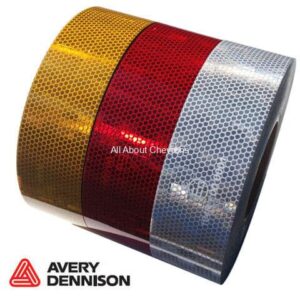
The term can refer to different products. Some chevron tape is supplied as separate rolls of yellow and orange-red material that installers arrange into a V-shaped pattern. Other products may have contrasting diagonal stripes printed or assembled within a single roll.
Product names are not standardised, so the words “chevron tape” do not confirm that the material is reflective, fluorescent or suitable for Chapter 8 applications. Its construction, colour, width and intended use must be checked before it is fitted to a working vehicle.
For a common van model, a vehicle-specific kit may be quicker and easier to align. Tape offers greater flexibility but requires more measuring, cutting and installation planning.
What does chevron tape do?
Chevron tape creates a strong contrasting pattern that makes a vehicle or object more conspicuous.
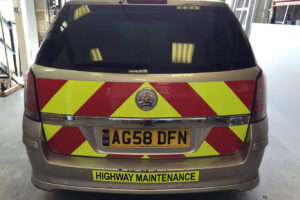
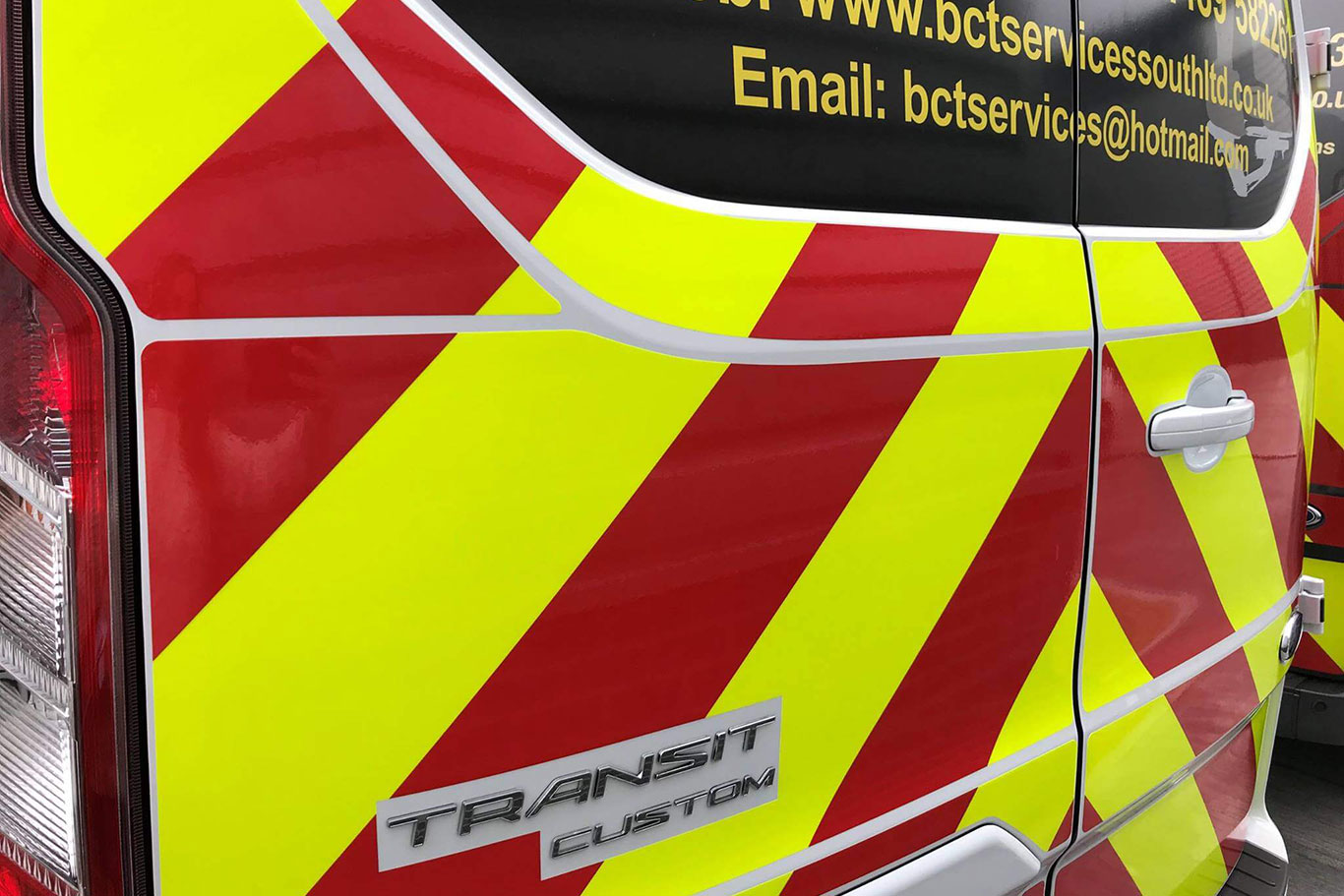
On the rear of a van, opposing diagonal strips form repeated V shapes. This helps approaching road users recognise the rear-facing surface of the vehicle, particularly when suitable reflective material is illuminated by headlights.
Chevron tape may be used to:
The suitability of the tape depends on the specific application. Material designed for a static indoor hazard may not withstand weather, road salt, washing and movement on a commercial vehicle.
How is chevron tape used on vans?
On vans, chevron tape is commonly applied to rear-facing painted panels. Separate strips are measured, cut and positioned so the pattern aligns across both sides of the vehicle.
The installer needs to account for:
The pattern should look consistent across the full rear of the vehicle. Misaligned strips, irregular gaps and poorly cut edges can reduce the professional appearance and make the markings harder to maintain.
Tape should not be stretched across moving hinges or bridged over panel gaps. Each section needs to be fitted to an appropriate surface while allowing doors and equipment to operate normally.
Can chevron tape be used for Chapter 8 markings?
Chevron tape can be used to construct a Chapter 8-style rear pattern if the material and finished layout meet the relevant requirements. However, the presence of diagonal red and yellow strips does not automatically make a vehicle Chapter 8 compliant.
The Department for Transport’s Traffic Signs Manual describes a high-visibility rear-marking option using alternating strips of fluorescent orange-red retroreflective material and fluorescent yellow material.
For this arrangement, the strips should:
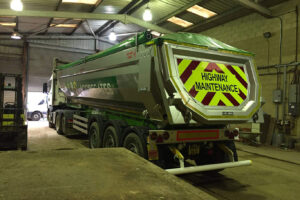
The completed vehicle may also require other equipment, depending on its role. This can include a “HIGHWAY MAINTENANCE” sign, warning beacons, side markings and reflective material on rear-facing door or locker edges.
Tape is only one part of the specification. Businesses should confirm the complete vehicle requirements with the client, highway authority, traffic-management designer or person responsible for the work’s risk assessment.
What is the difference between chevron tape and a chevron kit?
Chevron tape is usually supplied in rolls or straight strips. A vehicle-specific kit is pre-cut into sections designed around a particular make, model and rear-door arrangement.
| Feature | Chevron tape | Vehicle-specific kit |
| Format | Roll or straight lengths | Pre-cut panels and sections |
| Vehicle fit | Measured and cut during installation | Designed for a particular vehicle |
| Flexibility | Suitable for custom shapes and unusual bodies | Best for supported standard vehicle configurations |
| Installation | Requires more layout and cutting | Usually involves less on-vehicle trimming |
| Alignment | Determined by the installer | Pattern is prepared as part of the kit design |
| Waste | Depends on planning and roll length | Material is cut for the intended layout |
| Repairs | Useful for suitable local repairs | Replacement sections may be available |
| Equipment cut-outs | Created during application | Normally included in the template |
Neither option is automatically better in every situation.
A pre-cut chevron kit is often the practical choice for a standard panel van. Chevron tape may be preferable when the vehicle has a bespoke body, conversion or equipment arrangement not covered by an existing template.
Which vehicles can use chevron tape?
Chevron tape can be used on many commercial vehicle types, provided the surface and material are compatible.
Potential applications include:
The layout must be designed for the exact vehicle. A large flat box body may be relatively straightforward, while a small pickup tailgate with handles, badges and deep contours may require more careful planning.
Vehicles with rear windows also have less painted bodywork available. Tape should not simply be extended across glass to maintain the pattern unless the product and design are specifically suitable for that use.
When is chevron tape more useful than a pre-cut kit?
Tape is particularly useful when flexibility is more important than installation speed.
Bespoke commercial bodies
Custom-built vehicles may not correspond with standard manufacturer templates. Tape allows the installer to create a pattern around shutters, lockers, tail lifts and specialist equipment.
Unusual conversions
A van converted for utilities, traffic management or mobile workshops may have additional rear equipment that changes the available marking area.
Localised repairs
Tape may be used to repair a small damaged section if the original material can be matched. The colour, reflective performance and stripe direction should remain consistent with the surrounding markings.
Small supplementary areas
Additional visibility may be needed on a rear-facing locker, panel or item of equipment that obscures the vehicle’s main chevrons.
Low-volume or mixed fleets
A fleet containing many different body types may need custom layouts rather than separate template kits for every configuration.
However, the time required for measurement, cutting and alignment should be considered. Tape that appears cheaper by the roll can create more installation work and potential waste.
Can chevron tape be used to repair an old kit?
It can sometimes be used for a limited repair, but several checks are needed first.
The replacement tape should match:
New tape may appear much brighter than material that has been on the vehicle for several years. A repair can therefore create an uneven pattern even when the colours were originally the same.
Before adding replacement material, remove the damaged section correctly and inspect the paint underneath. New tape should not simply be placed over peeling, cracked or contaminated vinyl.
If several sections are faded or damaged, replacing the entire rear treatment may produce a more consistent result.
What surfaces are suitable for chevron tape?
Most vehicle-marking films are intended for clean, smooth and sound surfaces, often painted metal or another approved vehicle finish.
Potential problems include:
Adhesion to plastic can vary because different trim materials have different surface properties. A tape that bonds well to painted bodywork may not remain secure on an untreated bumper or textured door trim.
Check the material manufacturer’s instructions and, where necessary, test adhesion in a small area before completing the installation.
Where should chevron tape not be applied?
Tape should not obstruct or interfere with essential vehicle features.
Avoid covering:
The material should not bridge a gap between separate panels. When doors open, the tape could stretch, tear or prevent normal movement.
Care is also needed around rubber seals. Vinyl attached partly to a painted panel and partly to a flexible seal is unlikely to remain secure.
How do you select suitable chevron tape?
Begin by establishing what the finished vehicle needs to achieve.
Check the following product details:
Intended application
Confirm that the tape is designed for external vehicle use rather than indoor hazard marking or short-term decoration.
Colour and visibility properties
Check whether the material is fluorescent, retroreflective or both. Similar-looking products may perform very differently under headlights.
Width
For a Chapter 8 chevron arrangement, the finished stripes need to meet the applicable width requirements. Narrow tape should not be assumed suitable simply because it uses the right colours.
Adhesive and surface compatibility
The adhesive must be appropriate for the vehicle panel. Check requirements for painted metal, plastic, composite panels and other surfaces.
Durability information
Review the manufacturer’s information about external use, exposure and maintenance. Published durability may depend on the orientation, climate, preparation and application method.
Cleaning requirements
Make sure the fleet can maintain the material without using chemicals or cleaning processes that may damage it.
Quantity
Measure the full layout and allow for cuts, joins and reasonable installation waste. Do not estimate roll requirements solely from the width of the vehicle.
How is chevron tape applied?
The exact process depends on the product, but careful planning is essential.
1. Confirm the layout
Measure the rear panels and identify all equipment that must remain clear. Establish the centre line and determine how the stripes will align across the doors.
2. Check the pattern direction
Rear chevrons should form opposing diagonals that point upwards towards the centre. It is easy to reverse a strip when working with several separate sections.
3. Prepare the surface
Wash the vehicle and remove wax, grease, silicone and other contamination using products suitable for the paint and vinyl system. Allow the surface to dry completely.
4. Position before applying
Use a suitable temporary positioning method to check the layout before exposing the adhesive. Confirm that the angles and gaps are consistent.
5. Apply the tape carefully
Follow the manufacturer’s instructions for temperature, pressure and application method. Avoid trapping dirt, moisture or air beneath the material.
6. Trim around equipment
Use care when cutting near paintwork, seals, lights and fittings. On-vehicle cutting can damage the paint if the blade is allowed to penetrate the vinyl.
7. Inspect the finished pattern
Check alignment, adhesion and coverage. Open each door and operate relevant equipment to make sure nothing pulls against the tape.
Complex vehicle layouts may be better handled by an experienced installer.
Can businesses include logos with chevron tape?
Yes, but branding should be planned around the visibility treatment rather than placed over it afterwards.
Logos and contact information must not:
A custom chevron design can account for both fleet identity and vehicle safety requirements.
For mixed fleets, a consistent branding zone can be established while adapting the chevrons to each vehicle’s rear-door layout.
How should chevron tape be maintained?
Once applied, tape should be cleaned and inspected as part of the vehicle’s normal maintenance routine.
Look for:
Use cleaning products and methods approved for the material. Avoid abrasive tools, strong solvents and aggressive pressure washing around vinyl edges.
Chapter 8 advises that works vehicles should be kept clean to maintain their conspicuity. Rear-facing tape can quickly become covered by winter road spray, so additional cleaning may be needed during poor weather.
Frequently Asked Questions
Is chevron tape always reflective?
No. Some tape is coloured but non-reflective, while other products are fluorescent, retroreflective or combine different properties. Check the technical specification before ordering.
Can narrow tape be used for Chapter 8 chevrons?
Chapter 8 describes chevron strips that are at least 150 mm wide. Narrower tape should not be assumed to meet this rear-marking arrangement.
Can I use chevron tape on a caravan or trailer?
Tape may improve visibility on suitable surfaces, but the vehicle may be subject to other marking requirements. Confirm the applicable rules and use material intended for the vehicle type.
Is chevron tape easy to remove?
Removal depends on the material, adhesive, age and underlying paint. Heat and specialist techniques may be required. Poor removal methods can leave residue or damage weak paintwork.
Can tape be applied over old chevrons?
This is generally best avoided. Old vinyl, lifted edges and contamination can prevent secure adhesion. The damaged material should normally be removed and the surface prepared first.
Can chevron tape be fitted in cold weather?
Application films usually have specified temperature ranges. Cold panels can affect adhesion, so check the manufacturer’s installation instructions and use a suitable controlled environment where required.
Does chevron tape work on curved panels?
Some materials can follow moderate curves, but deep recesses and compound curves may require specialist film and application techniques. Excessive stretching can affect appearance and performance.
Can chevron tape be used as side marking tape?
Suitable reflective tape may be used for side visibility where the material, colour and layout meet the applicable specification. Rear chevron tape should not automatically be assumed suitable for every side-marking requirement.
A Step-by-Step Buying Checklist
Chevron tape is a flexible way to create visibility markings on standard, converted and bespoke commercial vehicles. It is useful where a pre-cut kit is unavailable, where equipment changes the rear layout or where a suitable local repair is required.
That flexibility comes with additional responsibility. The installer must select the correct material, create an accurate pattern and avoid obstructing essential vehicle equipment.
For common van models, a pre-cut kit can reduce measuring and trimming. All About Chevrons supplies vehicle-specific safety markings for professional fleets and work vehicles. If you are unsure whether tape or a kit is the better option, contact the team.
Phone: 023 9252 0333
Email: info@allaboutchevrons.com
Find out more: All About Chevrons