No products in the basket.
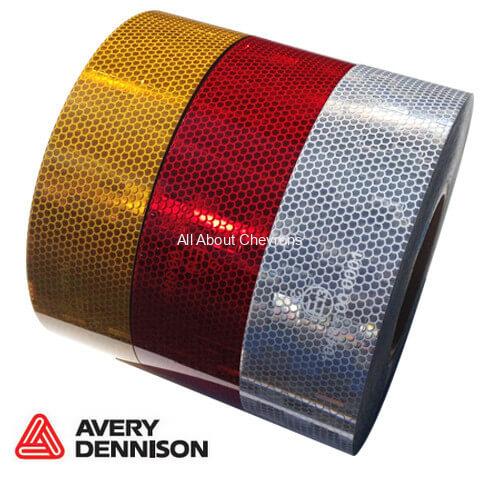
Reflective stickers can fade and deteriorate over time, particularly when they are fitted to vehicles exposed to sunlight, weather, road dirt and frequent cleaning. However, there is no single lifespan that applies to every reflective product or working vehicle.
Material quality, application method, vehicle storage and operating conditions all influence how long markings remain effective. A van stored indoors and used mainly for local journeys will place different demands on its graphics from a highway maintenance vehicle exposed to long hours of sunlight, winter road salt and construction-site mud.
It is also important to distinguish visible fading from declining retroreflectivity. A sticker can retain much of its colour while reflecting less light than it once did. Conversely, a dirty marking may look faded but recover after it has been cleaned correctly.
Reflective vehicle stickers should therefore be inspected for colour, physical condition, cleanliness and low-light performance.
Why do reflective stickers fade?
Outdoor vehicle graphics operate in a demanding environment. Their face material, colour, reflective construction and adhesive are all exposed to changing conditions.
Common causes of deterioration include:
These factors rarely act alone. Sunlight may gradually affect the material’s colour, while repeated washing weakens an already damaged edge. Dirt can then collect beneath the lifted section and allow more moisture to reach the adhesive.
Regular inspections help identify this deterioration before a large part of the marking fails.
How does sunlight affect reflective stickers?
Ultraviolet radiation is one of the main causes of colour degradation in outdoor graphics. Continuous exposure can break down pigments and other components within the material.
The amount of UV exposure varies according to:
This means different sections on the same vehicle may age at different rates. A rear door that faces direct afternoon sunlight every day may fade more quickly than a section regularly parked in shade.
Horizontal and angled surfaces can also receive different levels of exposure from vertical panels. Material durability information should therefore be interpreted in the context of the actual installation.
Parking indoors or under suitable cover when practical can reduce exposure, but this may not be realistic for a working fleet. Selecting material intended for long-term external vehicle use is the more important starting point.
Does fading affect reflectivity?
Fading and reflectivity are related aspects of performance, but they are not identical.
Fluorescent material is intended to provide strong daytime and low-light conspicuity. Retroreflective material returns light towards its source, helping a marking stand out when illuminated by vehicle headlights.
A visible loss of fluorescent colour can reduce the marking’s daytime impact. Damage to the reflective structure can reduce its night-time performance.
Potential signs of declining performance include:
A visual check in bright daylight will not reveal every problem. Fleet inspections should also consider how the markings perform when viewed under suitable low-light conditions.
How long do reflective vehicle stickers last?
The expected service life varies considerably, so a universal number should not be used for every product.
Factors affecting longevity include:
Manufacturers may publish durability information for specific products, but this is usually subject to defined conditions. It should not be treated as a guarantee that material will remain effective for the full period on every vehicle.
A fleet should inspect the markings throughout their service life rather than waiting for a predicted replacement date. Condition should determine whether a safety marking remains suitable.
Can high-quality reflective stickers still fade?
Yes. Better-quality materials are designed to provide dependable performance in their intended environment, but no external vehicle graphic is completely unaffected by ageing, UV light or physical damage.
The difference is usually found in how well the product maintains its colour, adhesion and reflective performance under expected conditions.
A professional vehicle marking should be selected according to its purpose. Material used for temporary promotional graphics may not be suitable for a work van that needs long-term visibility in demanding conditions.
Price alone does not establish quality or suitability. Before buying, check:
For road-working vehicles, markings should be chosen according to the applicable Chapter 8, fleet or contractual requirements rather than appearance alone.
Does cleaning make stickers fade more quickly?
Correct cleaning helps markings remain visible, but unsuitable methods can accelerate deterioration.
Frequent exposure to strong solvents, abrasive brushes or aggressive pressure washing may damage the surface, edges or adhesive. Once an edge begins to lift, high-pressure water can force its way underneath and make the problem worse.
The safest approach is to follow the instructions supplied with the material. General precautions include:
Cleaning should remove dirt without wearing away or weakening the marking.
The Department for Transport’s Traffic Signs Manual advises that works vehicles should be kept clean to maintain conspicuity. This is particularly important in winter, when road spray can quickly cover rear-facing markings.
Can dirt make reflective stickers look faded?
Yes. A layer of traffic film, salt or ingrained mud can make bright markings appear dull and reduce the amount of light reaching the reflective surface.
Before deciding that a kit needs replacing:
If the cleaned section regains its colour and reflection, contamination may have been the main problem. If it remains dull, uneven or damaged, the material itself may have deteriorated.
Dirt can also hide physical defects. A peeling edge or crack may only become obvious once the vehicle has been washed.
How can you check whether reflective stickers still work?
A practical inspection should combine several checks.
Start with a clean surface
It is difficult to assess markings covered in road dirt. Clean the area according to the supplier’s guidance and allow it to dry.
Inspect the colour in daylight
Look for fading, unevenness and discolouration. Compare adjacent sections where possible. A replacement panel may provide a useful contrast, although differences in material type and installation date should be considered.
Check the surface condition
Look closely for:
Use directed light
View the markings under suitable low-light conditions while illuminating them with a torch or vehicle headlights from a safe and controlled position. Reflective sections should appear consistent across the pattern.
This simple check is useful for identifying obvious differences, but it is not a laboratory measurement of retroreflectivity. If compliance or material performance is uncertain, seek advice from the supplier or a competent specialist.
Keep photographic records
Fleet managers can take periodic photographs from a consistent position. This makes gradual fading and physical damage easier to identify.
Camera exposure and automatic image processing can affect how bright a reflective surface appears, so photographs should support rather than replace a physical inspection.
What physical damage should you look for?
Fading is only one reason that reflective stickers may need attention.
Peeling edges
Lifted edges can catch dirt, water and cleaning equipment. A small lifted section can gradually become a larger failure.
Cracks and splits
Cracks may develop where material has been stretched over unsuitable contours, applied across moving components or damaged by an impact.
Scratches and abrasion
Tools, ladders, loading equipment and vegetation can scratch the surface. Deep abrasion may affect both colour and reflection.
Bubbles and blisters
Bubbles can result from poor application, contamination or moisture. Large blisters may affect appearance and lead to further lifting.
Delamination
Some reflective materials have multiple layers. If these begin to separate, the marking can become cloudy, patchy or less effective.
Missing sections
Damage to a door or body panel may remove part of the pattern. Gaps can reduce coverage and make the rear treatment look inconsistent.
A suitable chevron kit should be inspected as a complete pattern rather than as a collection of individual stickers.
Does installation affect how quickly reflective stickers deteriorate?
Yes. Correct preparation and application are important to the service life of vehicle graphics.
Common installation problems include:
The surface should be sound, clean and compatible with the chosen product. New paint or repaired panels may also require a waiting period before graphics can be applied, depending on the paint system.
Vehicle-specific markings can reduce unnecessary cutting and stretching because the panels are designed around the van’s original lights, handles and door configuration.
When should reflective stickers be replaced?
Markings should be replaced when they no longer provide the appearance, adhesion, visibility or performance required for their intended use.
Replacement should be considered when:
The presence of old stickers does not demonstrate that the vehicle still has effective markings. Condition matters.
Can one damaged section be replaced?
Local repairs may be possible where the damage is limited and a compatible material is available.
However, a new section may look noticeably brighter than the surrounding aged material. Differences in colour and reflection can create a patchy appearance.
Before carrying out a partial repair, consider:
If several sections are deteriorating, replacing the full rear treatment may provide a more consistent and reliable result.
Can faded markings affect Chapter 8 compliance?
They can. Chapter 8 rear markings are intended to improve vehicle conspicuity. If the material is badly faded, damaged, dirty or no longer performing effectively, the vehicle may not meet the expected safety or contractual standard.
A road-working vehicle should be assessed as a whole. Other visibility features may also require attention, including:
If the vehicle is required to comply with a client’s Chapter 8 specification, the fleet operator should clarify the inspection and replacement criteria used by that client.
Suitable Chapter 8 chevrons should be maintained throughout their working life, not just checked when they are first fitted.
How can fleets reduce premature fading and damage?
Reflective stickers will eventually age, but sensible management can help avoid unnecessary deterioration.
Fleet operators should:
Consistency is particularly important across large fleets. A standard inspection and defect-reporting process prevents decisions from depending entirely on individual drivers.
Frequently Asked Questions
Do reflective stickers lose brightness at night?
They can. Surface damage, contamination and ageing can reduce the amount of light returned towards an approaching driver. Night-time performance should be considered separately from daylight colour.
Can faded reflective stickers be restored?
Cleaning can restore markings that are obscured by dirt, but it cannot reverse permanent UV degradation, delamination or damage to the reflective structure. Deteriorated material normally needs replacing.
Does polishing a van protect reflective stickers?
Vehicle polishes and waxes are not automatically suitable for reflective vinyl. Some can leave residues or affect the surface. Follow the material supplier’s care instructions before applying any treatment.
Can you pressure wash reflective stickers?
This depends on the material and installation. Excessive pressure, close-range spraying and directing water at vinyl edges can cause damage. Check the manufacturer’s cleaning guidance.
Do red and yellow sections fade at the same rate?
Not necessarily. Different colours and material constructions can age differently. Exposure may also vary across the rear of the vehicle, leading to uneven colour or reflection.
Should reflective stickers be checked during winter?
Yes. Winter road salt, mud and prolonged moisture can hide damage and reduce visibility. More frequent cleaning and inspection may be needed during poor weather.
Is peeling always caused by old age?
No. Peeling can result from poor preparation, unsuitable surfaces, installation errors, bodywork damage, chemical exposure or aggressive cleaning.
Should markings be replaced before selling a fleet vehicle?
That depends on the vehicle’s intended sale condition and future use. If it will continue working in a role that requires safety markings, any faded or damaged sections should be disclosed and addressed appropriately.
Reflective stickers can fade, lose reflectivity and suffer physical damage over time. Their useful life depends on the product, installation, operating environment and maintenance rather than a single fixed replacement interval.
Regular cleaning and inspection help distinguish temporary contamination from permanent deterioration. Drivers and fleet managers should look for colour loss, weak reflection, peeling, cracking, missing sections and damage around accessories.
Where markings no longer provide clear and consistent visibility, replacement is the safest option. All About Chevrons supplies reflective vehicle markings and vehicle-specific kits for professional work vans and fleets. For help identifying suitable replacement markings, contact the team.
Phone: 023 9252 0333
Email: info@allaboutchevrons.com
Find out more: All About Chevrons