No products in the basket.
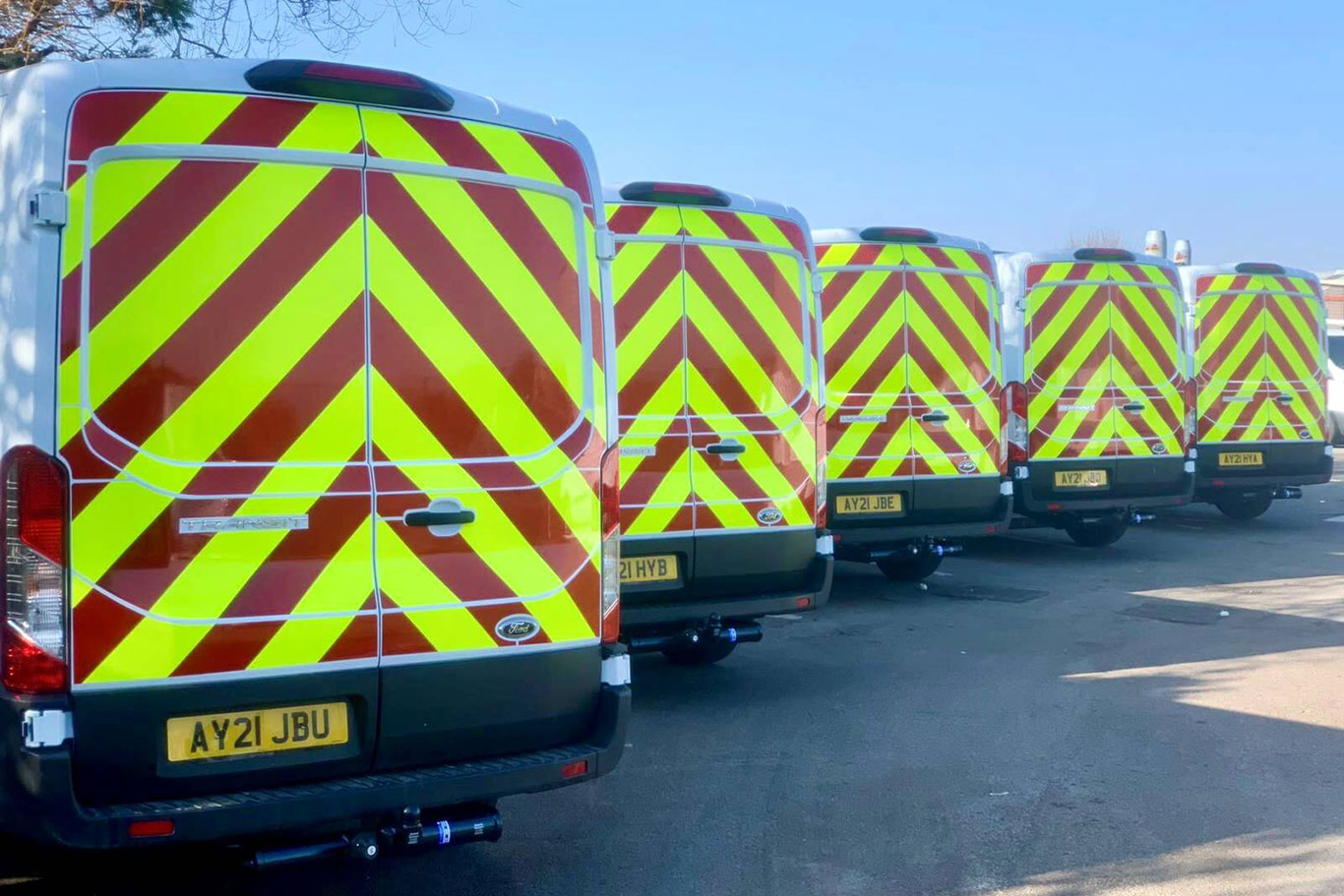
Reflective stickers can improve fleet safety by making vehicles easier to see in low light, poor weather and busy working environments. For vans, commercial vehicles and fleet operators, visibility is one of the most practical ways to reduce risk around roads, sites, depots and public spaces.
A fleet vehicle may be parked at the roadside, reversing into a yard, stopped in a loading bay, working near traffic or operating during early mornings and evenings. In these situations, other road users and site workers need to notice the vehicle quickly. Reflective stickers help by returning light from headlights, site lighting and other light sources, making the vehicle stand out more clearly.
They are not a replacement for safe driving, proper traffic management or good site procedures, but they can form an important part of a wider fleet safety approach.
Supporting Questions:
How do reflective stickers work on vehicles?
Reflective stickers use materials designed to bounce light back towards its source. When vehicle headlights shine onto the material, the sticker appears brighter and more noticeable than a standard non-reflective surface.
This is useful because many fleet vehicles operate outside normal office hours or in conditions where visibility is reduced. Winter mornings, dark evenings, rain, fog, industrial lighting and poorly lit roads can all make vehicles harder to see.
Reflective vehicle stickers help make vans and commercial vehicles more conspicuous. This means they are easier to notice, especially when they are stationary, moving slowly or positioned somewhere other road users may not expect.
On a work vehicle, reflective stickers can be used for:
The exact use depends on the vehicle type and working environment.
Why does fleet visibility matter?
Fleet visibility matters because commercial vehicles often work in places where people, traffic and equipment interact. A vehicle that is easy to see is less likely to be missed by drivers, pedestrians, cyclists, site workers or machinery operators.
This does not mean reflective stickers prevent accidents on their own. Fleet safety depends on many factors, including driver training, vehicle maintenance, risk assessments, traffic management and safe systems of work. However, visibility is one of the most direct and practical improvements a business can make.
A more visible vehicle gives other people more time to react. That can help reduce:
For fleet operators, reflective markings are also relatively straightforward to apply compared with more complex vehicle upgrades. This makes them a practical safety improvement for many businesses.
Are reflective stickers useful during the day?
Yes, reflective stickers can still be useful during the day, although their strongest benefit is usually in low-light conditions. Many reflective vehicle stickers also use high-visibility colours, which can make vehicles easier to spot in daylight.
Daytime visibility still matters. Vehicles can be overlooked in visually busy environments, including construction sites, depots, industrial estates, loading yards and roads with heavy traffic. Bright reflective markings can help a fleet vehicle stand out from the background.
During daylight, reflective stickers can help:
In poor weather, even daytime conditions can become dull and difficult. Rain, mist, road grime and low winter sun can all affect visibility. Reflective and high-visibility markings help maintain contrast in these conditions.
Where should reflective stickers be used on fleet vehicles?
Reflective stickers should be placed where they improve visibility without interfering with important vehicle features. The rear of the vehicle is usually the most important area because many road users approach from behind. Side visibility can also be useful where vehicles operate in yards, depots, car parks or roadworks.
Common positions include:
However, reflective stickers should not cover lights, number plates, windows, sensors, reversing cameras or mandatory vehicle markings. They should also be fitted to clean, suitable surfaces so they adhere properly and remain durable.
For vans used near traffic, rear chevrons may be more suitable than small reflective stickers alone. Vehicle-specific chevron kits provide a clearer rear marking layout and are usually a better option where visibility and Chapter 8 suitability are priorities. Suitable options can be explored at /chevron-kits.
Can reflective stickers improve safety in depots and yards?
Reflective stickers can be especially useful in depots and yards, where vehicles, forklifts, pedestrians, loading bays and site equipment often share the same space. These environments can be busy, noisy and visually cluttered.
In a depot, the risk is not always high-speed traffic. It may be a reversing van, a pedestrian crossing behind a vehicle, a forklift moving through a loading area or a driver trying to manoeuvre in limited space. Reflective markings can help make vehicle edges and hazard areas easier to spot.
They are particularly useful in:
Reflective stickers can help highlight vehicles and equipment under artificial lighting, especially where shadows, dark corners or poor weather reduce visibility.
Can reflective stickers support roadside safety?
Yes. Reflective stickers can support roadside safety by making work vehicles more visible to approaching drivers and other road users. This is particularly relevant for utility vans, maintenance vehicles, highways fleets, traffic management vehicles and contractors who stop near public roads.
However, for roadside work, reflective stickers alone may not be enough. Vehicles used in highways and temporary traffic management environments may need Chapter 8 chevrons or more substantial rear markings.
Reflective stickers can still play a useful role as part of a wider marking setup. They may be used on side panels, equipment, trailers or areas not covered by the main rear chevrons.
For vehicles used on or near public roads, the marking strategy should consider:
For more guidance on Chapter 8 markings, visit /chapter-8-chevrons.
What types of fleets benefit most from reflective stickers?
Reflective stickers can benefit many types of commercial fleet, especially where vehicles operate in low light, busy sites or roadside settings.
They are commonly useful for:
The benefit depends less on the industry label and more on how the vehicles are used. A small business with two vans may need reflective markings just as much as a large fleet if those vans work in higher-risk environments.
Do reflective stickers help drivers identify fleet vehicles?
Reflective stickers can help drivers and site teams identify fleet vehicles more easily, especially when used consistently across multiple vehicles. This can be useful in depots, worksites, public spaces and client premises.
Consistent markings make it easier to recognise a vehicle as part of a specific business or operational team. This can support site control, public confidence and fleet management.
For example, a local authority may want different service vehicles to be clearly identifiable. A utilities contractor may want teams to be recognised on public roads. A construction company may want support vehicles to be visible at site entrances. Reflective stickers can help with all of these aims.
Where branding is required, custom chevrons or branded reflective markings may be a better option than generic stickers. This allows the business to combine safety visibility with fleet identity in a more controlled way. More tailored options are available at /custom-chevrons.
How do reflective stickers compare with chevron kits?
Reflective stickers and chevron kits can both improve vehicle visibility, but they are not the same thing.
Reflective stickers are usually individual markings, strips or safety labels applied to specific areas of a vehicle. They are useful for highlighting edges, panels, equipment or secondary visibility points.
Chevron kits are more structured. They are usually designed to cover a defined rear area of a vehicle using a red and yellow chevron pattern. A vehicle-specific chevron kit is designed around the rear doors, panels, lights and handles of a particular van or commercial vehicle.
A simple comparison:
For many fleets, the best approach is a combination. Rear chevrons can make the back of the vehicle highly visible, while reflective stickers or strips can support visibility from the sides or around equipment.
What should fleet managers check before choosing reflective stickers?
Fleet managers should start by reviewing how vehicles are used. Reflective stickers should solve a practical visibility issue rather than simply being added randomly.
Useful questions include:
Material quality is also important. Fleet vehicles need stickers that are suitable for outdoor vehicle use, not basic labels that may peel, fade or fail quickly.
It is also worth considering consistency. A fleet with mismatched reflective stickers may look untidy. A planned approach gives a more professional appearance and makes future maintenance easier.
How should reflective stickers be maintained?
Reflective stickers need to be kept clean and in good condition to remain effective. Dirt, salt, mud and road grime can reduce visibility, particularly on rear-facing areas that collect spray from the road.
Fleet checks should include a quick review of reflective markings. Look for:
If markings are damaged or no longer visible, they should be replaced. A sticker that has lost its reflective performance may not provide the safety benefit the business expects.
Are reflective stickers a good investment?
For many fleets, reflective stickers are a practical and cost-effective safety measure. They are relatively simple to add, can be targeted to specific vehicle areas and help improve visibility in common working conditions.
However, they should be chosen properly. The cheapest option may not be suitable for commercial vehicle use. Poor materials can fade, peel or fail quickly, leading to repeated replacement and a less professional appearance.
The best value comes from using the right product for the right purpose. For some vehicles, targeted reflective stickers may be enough. For others, especially those working near roads, a full chevron kit or Chapter 8 marking solution may be more appropriate.
Frequently Asked Questions
Do reflective stickers make vehicles safer?
Reflective stickers can support vehicle safety by making vehicles easier to see, especially in low light or poor weather. They do not replace safe driving or proper working procedures, but they can reduce the chance of a vehicle being overlooked.
Are reflective stickers suitable for all fleet vehicles?
They can be useful for many fleet vehicles, but the right type and placement depend on how the vehicle is used. Roadside vehicles may need more substantial markings, such as rear chevrons or Chapter 8 chevron kits.
Can reflective stickers be used with company branding?
Yes. Reflective stickers can be used alongside branding, or branding can be incorporated into a custom vehicle marking design. The design should remain clear, readable and suitable for the working environment.
Do reflective stickers last outdoors?
Good-quality reflective vehicle stickers should be designed for outdoor use, but lifespan depends on material quality, cleaning methods, weather exposure and vehicle use. Damaged or faded stickers should be replaced.
Are reflective stickers enough for Chapter 8 compliance?
Not usually on their own. Vehicles used for highways or roadside work may need appropriate rear chevrons and other markings depending on the role and requirements. Reflective stickers can support visibility, but they may not replace a full Chapter 8 chevron kit.
Final thoughts
Reflective stickers can improve fleet safety by making vehicles easier to see in real working conditions. They are useful in low light, poor weather, depots, yards, loading areas, construction sites and roadside environments. For businesses operating vans and commercial vehicles, they can be a practical part of a wider safety and visibility strategy.
The most effective approach is to choose markings based on how the vehicle is used. Some fleets may only need targeted reflective stickers, while others will benefit from full rear chevrons, Chapter 8 markings or custom branded kits.
All About Chevrons supplies reflective stickers, Chapter 8 chevrons, vehicle chevron kits, custom chevrons and hi vis vehicle markings for fleets and commercial vehicles across the UK. To explore suitable options, visit /chapter-8-chevrons, browse /chevron-kits or discuss branded fleet markings at /custom-chevrons.
Phone: 023 9252 0333
Email: info@allaboutchevrons.com
Find out more: https://allaboutchevrons.com/
View the Chapter 8 compliance guide.