No products in the basket.
Hi vis vehicle markings are most useful for industries where vehicles work near traffic, operate in public spaces, stop at the roadside or need to be easily identified in busy working environments. They are especially important for fleets and commercial vehicles used in highways, utilities, construction, traffic management, logistics, maintenance and emergency support.
For many businesses, vehicle visibility is not just about making a van look professional. It is about helping other road users, site workers and members of the public recognise that a vehicle is present, moving slowly, parked in a work area or carrying out a task that needs caution around it.
The most visible vehicles are often the easiest to manage safely. Whether a van is working on a dual carriageway, parked on a residential road, entering a construction site or delivering equipment to a busy depot, clear markings can help reduce confusion and improve awareness.
Supporting Questions:
Some industries naturally place vehicles in higher-risk environments. A standard van driving from one office to another may not need the same level of visibility as a vehicle parked near live traffic or working at night. The more a vehicle interacts with roads, pedestrians, machinery, sites or public spaces, the more useful hi vis vehicle markings become.
The key issue is visibility in real working conditions. Vehicles are not always seen in perfect daylight on clear roads. They may be used in rain, fog, winter darkness, early mornings, late evenings, road spray, industrial yards or cluttered construction sites. In those environments, reflective vehicle markings can make a meaningful difference.
Hi vis markings are particularly useful when vehicles:
A vehicle with clear rear chevrons, reflective strips or hazard markings is easier to notice, especially from behind. That makes them valuable across a wide range of industries.
Highways and road maintenance
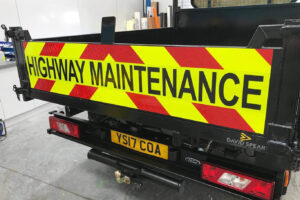
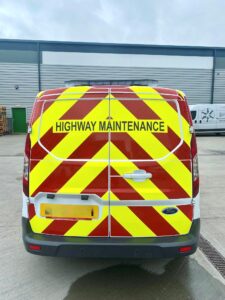
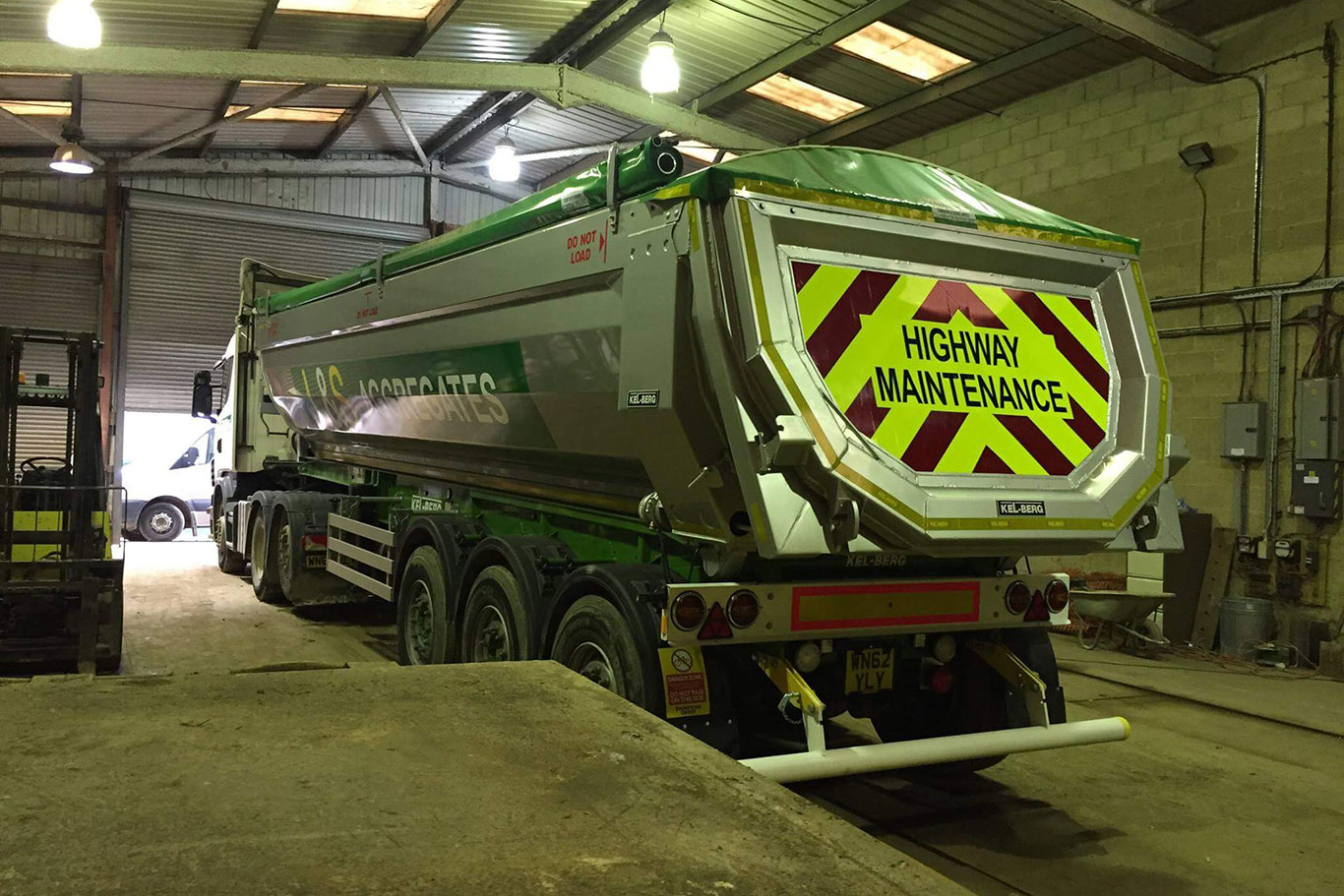
Highways and road maintenance vehicles are among the clearest examples of where hi vis vehicle markings are important. These vehicles often work close to live traffic, temporary lane closures, verges, roadworks and maintenance zones.
A highways van may be stopped on the road, positioned near cones, moving slowly along a carriageway or carrying out inspections. In these situations, other road users need to recognise the vehicle quickly and understand that it is part of a work operation.
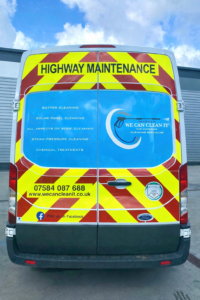
Rear chevrons and reflective markings help make the vehicle stand out, especially when approached from behind. This is why Chapter 8 chevrons are commonly associated with highways work and temporary traffic management.
Common vehicles in this sector include:
For these industries, markings are not just useful. They are often expected as part of safe roadside working and contract readiness.
Utility companies and infrastructure contractors
Utility companies also benefit strongly from hi vis vehicle markings. Gas, water, electricity, telecoms and broadband contractors regularly work in roads, footpaths, verges, public spaces and residential streets.
Their vehicles may stop outside homes, near junctions, in narrow roads or beside temporary excavations. In many cases, teams work around pedestrians, cyclists and passing traffic at the same time.
Hi vis vehicle markings help make utility vehicles easier to identify as work vehicles. This can help drivers understand why a van is stopped in an unusual position and can help pedestrians recognise that work is taking place nearby.
Utility vehicles may include:
For utilities and infrastructure contractors, visibility is closely linked to public safety, worker safety and professional presentation.
Construction and groundwork companies
Construction and groundwork firms often use vehicles in changing, busy and sometimes messy environments. Vehicles may travel between sites, stop near road entrances, reverse into restricted areas or park close to machinery, materials and pedestrians.
Hi vis vehicle markings can be useful both on the road and on-site. They help make vans, pickups and support vehicles easier to spot in areas where there may already be a lot happening visually.
Construction vehicles may not always need the same rear markings as a highways vehicle, but many still benefit from additional visibility. This is especially true when vehicles are used near public roads, for site access, on housing developments or for works that affect footpaths and carriageways.
Examples include:
For businesses that work across multiple sites, consistent markings can also make vehicles look more professional and easier for clients, residents and site teams to identify.
Traffic management companies
Traffic management is one of the industries where visibility is central to day-to-day work. Vehicles are often part of the safety system itself, supporting lane closures, temporary signals, road closures, diversions and other controlled traffic environments.
A traffic management vehicle may be parked at the start of a works area, used to transport signs and cones, or positioned where it needs to be seen clearly by drivers approaching the site.
Hi vis vehicle markings help reinforce the role of the vehicle. They make it easier to distinguish from ordinary traffic and support the wider traffic management setup.
In this sector, rear chevrons, reflective markings and clear vehicle identification are particularly important because the vehicle may be operating close to live traffic for extended periods.
Local authorities and public sector fleets
Local authorities operate a wide range of vehicles that benefit from hi vis markings. These may include road maintenance vans, parking services, grounds maintenance, street cleansing, housing repairs, environmental services and emergency response support.
Public sector vehicles often work in areas where members of the public are nearby. They may stop in residential roads, town centres, parks, depots, schools, public buildings and highways environments.
Clear markings can help residents and road users identify the vehicle as part of an official work activity. They also help improve visibility when vehicles are parked in public areas or working in awkward locations.
For local authority fleets, consistency is also important. Standardised markings can make vehicles easier to recognise and manage across different departments.
Logistics, delivery and warehouse fleets
Delivery and logistics vehicles may not always be associated with Chapter 8 chevrons, but many still benefit from improved visibility. Vans and lorries often stop frequently, reverse into loading areas, park on industrial estates or operate in busy yards.
Hi vis markings can be particularly useful for vehicles that:
For delivery fleets, visibility can support both safety and brand consistency. A well-marked vehicle is easier for customers, warehouse teams and other drivers to recognise.
Rear chevrons may not be needed for every logistics vehicle, but reflective strips or hazard markings can be useful where vehicles regularly stop in exposed locations.
Facilities management and maintenance teams
Facilities management teams often work across commercial sites, residential buildings, schools, offices, retail parks and industrial estates. Their vehicles may be parked in service roads, loading areas, car parks or near pedestrian routes.
Hi vis vehicle markings can help make maintenance vehicles easier to identify, especially when work is being carried out in shared spaces. This can be useful for both safety and reassurance.
Typical vehicles may include:
These vehicles may not always be on highways jobs, but they often operate in environments where people, vehicles and equipment mix. Good visibility helps reduce the chance of the vehicle being overlooked.
Arborists, landscaping and grounds maintenance
Arborists, landscapers and grounds maintenance contractors often work at the roadside, in public spaces or near entrances and car parks. Vehicles may tow equipment, carry tools, stop beside verges or park close to footpaths.
For arborists, visibility can be especially important when tree work is being carried out near roads. Vans, pickups and support vehicles may be positioned where drivers need advance awareness. Hi vis vehicle markings help make the vehicle more noticeable and support a safer work area.
Landscaping and grounds maintenance vehicles also benefit when working in parks, schools, estates and commercial sites. Markings make the vehicle easier to identify as part of a work operation rather than ordinary parked traffic.
Emergency support and breakdown-related vehicles
Vehicles involved in emergency support, recovery, breakdown assistance or incident response often work in unpredictable locations. They may stop on hard shoulders, lay-bys, rural roads, car parks or urban streets.
In these situations, rear visibility matters because the vehicle may be approached by traffic from behind, sometimes at speed. Reflective vehicle markings and rear chevrons can help other road users see the vehicle sooner and react more appropriately.
This sector may also use additional warning equipment, but vehicle markings remain an important part of overall visibility.
Security, enforcement and site support vehicles
Security patrols, parking enforcement teams and site support vehicles can also benefit from hi vis markings. These vehicles often operate in car parks, industrial estates, retail parks, event spaces and public areas.
Clear markings can help identify the vehicle and make it more visible when parked or moving slowly. In some environments, this also helps deter unsafe behaviour and reassures the public that an official vehicle is present.
While these vehicles may not always need full rear chevrons, reflective strips, hazard markings or branded visibility markings can still be valuable.
Are hi vis vehicle markings useful away from roads?
Yes. Although Chapter 8 chevrons are closely linked with highways and roadside work, hi vis markings can also be useful away from public roads. Many workplaces have shared vehicle and pedestrian areas where visibility is important.
Examples include:
In these places, vehicles may operate near forklifts, plant machinery, pedestrians, delivery drivers and site workers. Clear markings can help make vehicles stand out in visually busy environments.
This is one reason why many businesses choose reflective vehicle markings even when they are not strictly working on highways. The markings support visibility wherever the vehicle is used.
How do hi vis markings support fleet management?
Hi vis markings are not only a safety feature. They can also support better fleet management and brand consistency.
A fleet with consistent markings is easier to identify, easier to inspect and easier to present professionally. This is useful for businesses with multiple drivers, several depots or a mixture of vehicle types.
Fleet managers may use vehicle markings to:
Custom chevron kits can also include company branding where appropriate, helping fleets combine safety visibility with a clear business identity. For tailored fleet options, visit /custom-chevrons.
What should businesses consider before choosing markings?
Before choosing hi vis vehicle markings, businesses should think about how each vehicle is actually used. A one-size-fits-all approach may not be suitable if the fleet includes different vehicle types and different working environments.
Key questions include:
Answering these questions helps decide whether the vehicle needs Chapter 8 chevrons, reflective strips, hazard markings, custom branding or a combination of these.
Frequently Asked Questions
Which vehicles benefit most from hi vis markings?
Vehicles that stop, work or move slowly near traffic benefit most. This includes highways vans, utility vehicles, construction support vehicles, traffic management fleets and maintenance vehicles.
Are hi vis vehicle markings only for vans?
No. They can be used on vans, pickups, trucks, trailers, plant support vehicles and specialist fleet vehicles. The right layout depends on the vehicle type and how it is used.
Do logistics vehicles need rear chevrons?
Not always. However, logistics vehicles that stop frequently, reverse in busy yards or load near traffic may benefit from reflective markings or hazard markings. Some may need rear chevrons depending on their working environment.
Can hi vis markings include company branding?
Yes, branding can often be included as part of a custom design. It should be added carefully so the safety markings remain clear, visible and practical.
Are reflective markings useful during the day?
Yes. Bright colours can improve daytime visibility, while reflective materials add extra visibility in low light, night-time conditions and when headlights catch the vehicle.
Final thoughts
The industries that benefit most from hi vis vehicle markings are those where vehicles work close to traffic, pedestrians, sites, depots or public spaces. Highways, utilities, construction, traffic management, local authorities, logistics, facilities management and roadside support all have clear reasons to improve vehicle visibility.
The right markings help make vehicles easier to see, easier to identify and better suited to demanding working environments. For fleets, they can also support a consistent, professional appearance across multiple vehicles.
All About Chevrons supplies Chapter 8 chevrons, vehicle chevron kits, custom chevrons and reflective safety markings for work vehicles across the UK. To explore suitable options, visit /chapter-8-chevrons, browse /chevron-kits or discuss branded fleet markings at /custom-chevrons.
Phone: 023 9252 0333
Email: info@allaboutchevrons.com
Find out more: https://allaboutchevrons.com/
View the Chapter 8 compliance guide.