Cart

No products in the basket.

Latest News

Home / Blog
chevron markings

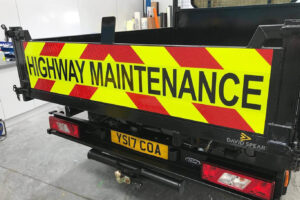
Why Chevron Markings Are Essential for UK Road Safety

In the UK, road safety relies heavily on visibility. Chevron Markings are one of the most effective ways to ensure vehicles remain noticeable in high-risk environments. Found on the rear of highway maintenance vehicles, emergency fleets, and utility vans, chevron markings use reflective materials to provide maximum visibility. By improving

Read More »
chevron markings for vehicles

Why Chevron Markings for Vehicles Are Essential for UK Road Safety

Chevron Markings for Vehicles are a cornerstone of road safety in the UK. Designed to enhance visibility and protect road users, these high-visibility graphics are particularly important for vehicles operating on or near highways. Whether for highway maintenance fleets, emergency services, or utility companies, chevron markings for vehicles ensure compliance

Read More »
reflective tape

Reflective Tape: The Trusted Solution for Night-Time Safety

When it comes to visibility in low-light conditions, reflective tape is one of the most trusted safety solutions. Whether on vehicles, road markings, workwear, or industrial equipment, it plays a vital role in reducing accidents and keeping people safe after dark. In the UK, where road safety regulations and workplace

Read More »
chevron vehicle markings

Why Chevron Vehicle Markings Are Crucial for UK Road Safety

Chevron Vehicle Markings play a vital role in keeping UK roads safe. These bold, reflective graphics are specifically designed to improve visibility for vehicles operating in high-risk areas such as highways, construction zones, and roadside works. Whether used by emergency services, utility companies, or maintenance fleets, chevron vehicle markings not

Read More »

Why buy R3B compliant Chapter 8 kits?

Why choose to buy an R3B Compliant Chapter 8 Kit? In the world of road safety and traffic management, the importance of R3B compliant Chapter 8 kits cannot be overstated. These kits are designed to meet the requirements of the Department for Transport’s Code of Practice, commonly referred to as

Read More »