No products in the basket.
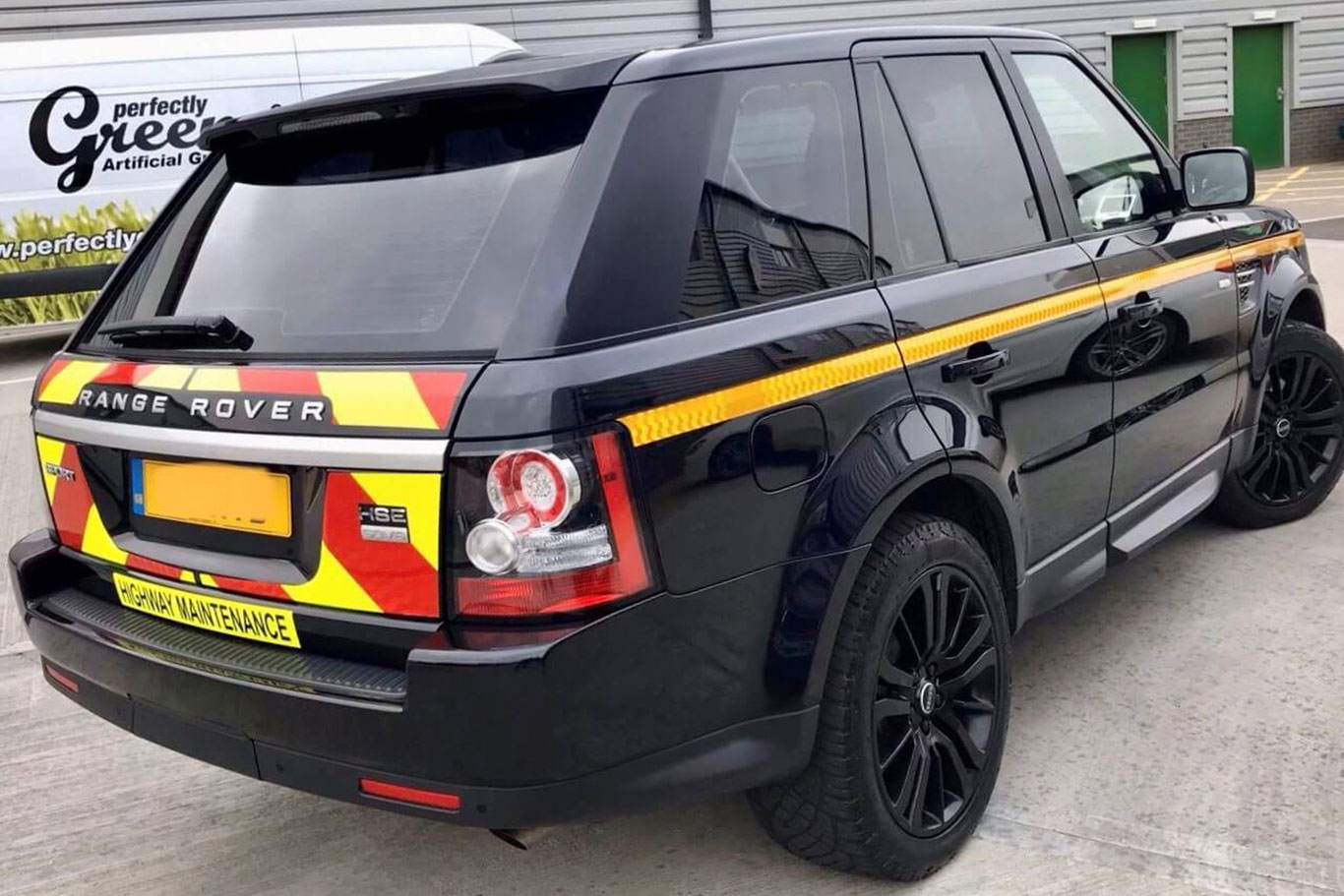
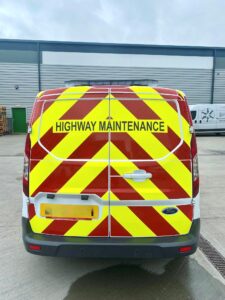
Buying a chevron kit for a work vehicle is not just a cosmetic decision. For many commercial vans, fleet vehicles and highway-related vehicles, the right chevron kit helps improve visibility, support Chapter 8 compliance and make the vehicle easier for other road users to spot in practical working conditions.
The challenge is that not all chevron kits are made to the same standard. Some are vehicle-specific and designed for a clean fit. Others are generic sheets or tape-based options that may need more trimming, more fitting time and more judgement during installation. For businesses that rely on their vehicles every day, choosing the wrong kit can mean poor visibility, wasted time, uneven application or markings that do not last as expected.
This guide explains what to look for before buying a chevron kit, from vehicle compatibility and reflective performance to material quality, fitting practicality and branding options.
Supporting Questions:
A chevron kit is designed to make the rear of a work vehicle more visible, especially when the vehicle is stopped, parked, moving slowly or operating near live traffic. This can apply to highway maintenance vehicles, utility vans, construction vehicles, traffic management fleets, breakdown support vehicles and many other commercial vehicles used in roadside environments.
The main purpose is simple: help other road users recognise the vehicle sooner.
That matters because commercial vehicles are often used in conditions where visibility and reaction time are important. A van parked near the carriageway, a maintenance vehicle working at the roadside or a fleet vehicle entering and leaving busy sites needs to be clear and noticeable from behind. High-visibility rear markings help make the vehicle stand out in daylight, poor weather, low light and night-time conditions when reflective materials are used correctly.
A good chevron kit should therefore do more than look tidy. It should support safety, visibility and practical day-to-day use.
Should you choose a vehicle-specific chevron kit?
One of the first things to check is whether the chevron kit is made for your vehicle make, model and year. Vehicle-specific kits are usually designed to match the rear doors, panels, hinges, windows, handles, badges and number plate area of a particular van or commercial vehicle.
This makes a big difference during fitting.
A generic kit may look suitable at first glance, but it can require more cutting, more measuring and more adjustment during installation. That increases the risk of uneven lines, awkward joins or markings that interfere with handles, lights or vehicle details.
A vehicle-specific kit can help with:
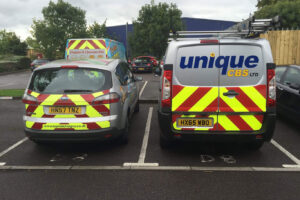
For fleet operators, this becomes even more important. If you are fitting several vehicles, consistency matters. A properly designed kit helps each van look uniform and makes the fleet easier to manage visually.
What parts of the vehicle should the kit cover?
Rear chevrons are normally used on the rear-facing areas of the vehicle. The aim is to make the vehicle visible to traffic approaching from behind without obstructing anything important.
When reviewing a kit, check how much of the rear it is designed to cover. A good kit should make sensible use of the available rear space while leaving key vehicle features clear.
The kit should not obscure:
The right level of coverage can depend on the vehicle type, how it is used and whether it needs to meet specific workplace or contract requirements. If a van is used for highways, utilities, maintenance or roadside work, visibility requirements may be more important than they would be for a vehicle used mainly on private sites.
How do you know if a chevron kit is suitable for Chapter 8 use?
Chapter 8 refers to guidance within the UK Traffic Signs Manual for road works and temporary situations. It is widely used as a reference point for vehicles working on or near public roads.
When buying a chevron kit, do not just assume that any red and yellow design is suitable. Look for clear information about whether the kit is intended for Chapter 8 use and whether the materials and layout are appropriate for work vehicles.
A Chapter 8 style rear chevron kit typically uses alternating red and yellow high-visibility markings on the rear of the vehicle. The purpose is to make the vehicle conspicuous to other road users and help identify it as a work vehicle in a potentially hazardous environment.
You should check whether the supplier clearly explains:
For some vehicles, especially those involved in highways or traffic management, Chapter 8 suitability may also be linked to contract requirements, local authority expectations or internal health and safety policies. If your vehicle is used for roadside work, it is worth checking what your client, contractor or site rules require before ordering.
What materials and reflectivity should you check?
Material quality is one of the biggest differences between a basic chevron kit and a professional-grade vehicle marking kit.
A work vehicle is exposed to rain, road grime, UV light, cold mornings, pressure washing, diesel residue, dirt, salt and general wear. If the material is poor, the markings may fade, lift, peel or become difficult to keep clean.
When comparing kits, look for information about:
Reflective performance is especially important. Hi vis vehicle markings are not only about daytime colour. At night or in low light, reflective materials help headlights pick out the rear of the vehicle more clearly. This can be important for vehicles that stop near traffic, work during winter months or operate early in the morning and late in the evening.
A cheaper non-reflective or low-grade material may look bright in daylight but offer limited benefit when visibility is poor. For professional use, that can be a false economy.
Should you buy a fully assembled kit or separate pieces?
Some chevron kits are supplied as separate panels or strips. Others may be supplied as a fully assembled or easier-to-fit layout, depending on the vehicle and supplier.
The best choice depends on who is fitting the kit and how confident they are with vehicle graphics. A more complete kit can make installation quicker and reduce the chance of mistakes. Separate sections can still work well, but they may need more care during alignment.
Before buying, ask:
For fleets, fitting time has a cost. Even if a cheaper kit saves money upfront, it may take longer to install or create more waste if panels need to be adjusted. A cleaner, vehicle-specific kit can often be the more practical option once labour and downtime are considered.
Can the kit include company branding?
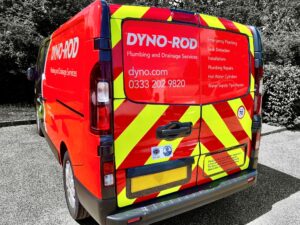
For many businesses, visibility and branding need to work together. A vehicle still needs clear safety markings, but it may also need to display a company logo, contact details or fleet identity.
Custom chevron kits can often include branding, but it needs to be planned carefully. Safety markings should remain clear, readable and effective. Branding should not make the rear of the vehicle visually confusing or reduce the impact of the red and yellow chevron pattern.
Good customisation should consider:
This is particularly useful for businesses with multiple vans, contractors working on visible sites, or companies that want their fleet to look professional while still supporting compliance and safety.
For more tailored options, see the custom chevrons page at /custom-chevrons.
What durability factors matter most?
A chevron kit is fitted to a working vehicle, so durability should be taken seriously. Vans and commercial vehicles often have a harder life than private cars. They may be used on construction sites, highways, industrial estates, farms, depots and busy delivery routes.
Before ordering, think about the environment the vehicle works in.
A kit used on a highways van may face more dirt, salt, water and night-time use than a van used mainly for local deliveries. A utility fleet may need markings that can cope with frequent cleaning. A construction vehicle may need stronger materials because of mud, dust and rough site conditions.
Practical durability questions include:
A low-cost kit may be acceptable for light use, but professional work vehicles usually benefit from higher-quality materials that are designed for demanding conditions.
What should you check before ordering?
Before buying a chevron kit, gather the right vehicle details. This helps avoid ordering a kit that does not fit correctly.
You will usually need:
This information helps the supplier recommend the right kit and avoid issues during fitting. Two vans with the same model name may still have different rear layouts depending on year, trim, door type or factory options.
If in doubt, take clear photos of the rear of the vehicle before ordering. This can help confirm the correct layout, especially for custom chevrons or less common vehicles.
What are the warning signs of a poor chevron kit?
Not every kit on the market is suitable for professional use. Be cautious if the product listing gives very little information about fit, material, reflectivity or intended use.
Warning signs include vague descriptions, no clear vehicle compatibility, no mention of reflective material, poor product images or claims that seem too broad. A kit that says it fits “most vans” may require a lot of trimming and may not give the finish or coverage you expect.
You should also be cautious of designs that prioritise appearance over practical visibility. Chevron markings should be clear and functional. If branding, colour choices or layout decisions reduce visibility, the kit may not be suitable for a work vehicle.
Is the cheapest chevron kit always the best option?
Price matters, especially when you are fitting several vehicles. However, the cheapest kit is not always the best value.
A lower-cost kit may be more expensive in the long run if it takes longer to fit, does not align properly, fades quickly or needs replacing sooner. For businesses, there is also the professional image to consider. Poorly fitted rear chevrons can make a vehicle look untidy and may undermine confidence in the fleet.
A better buying decision looks at total value, not just the purchase price. Consider the quality of the material, the vehicle fit, the likely lifespan, the ease of fitting and whether the kit supports the way the vehicle is actually used.
Frequently Asked Questions
Do all work vans need chevron kits?
Not every van will legally require rear chevrons in every situation. However, vehicles used for highways, roadside work, traffic management, utilities, maintenance or similar activities are more likely to need suitable high-visibility markings. Contract requirements may also specify Chapter 8 style markings.
Are chevron kits only for highways vehicles?
No. While Chapter 8 markings are strongly associated with highways and roadside work, chevron kits can also benefit construction, utilities, facilities management, logistics, grounds maintenance and other fleets where rear visibility matters.
Can I fit a chevron kit myself?
Some kits can be fitted by a careful in-house team, especially if they are pre-cut and supplied with clear instructions. However, professional fitting may be better for larger fleets, custom designs or vehicles with complex rear panels.
How long should a chevron kit last?
This depends on the material quality, vehicle use, cleaning methods and exposure to weather. A professional-grade kit should be designed for outdoor vehicle use, but harsh environments and poor cleaning practices can reduce lifespan.
Can chevron kits be removed?
Vehicle graphics can usually be removed, but the ease of removal depends on the material, how long it has been fitted and the condition of the paintwork underneath. Care should be taken to avoid damaging the vehicle surface.
Final thoughts
When buying a chevron kit, the best choice is the one that fits the vehicle properly, supports visibility, uses suitable reflective materials and stands up to real working conditions. A good kit should make the vehicle easier to see, easier to identify and more professional on the road.
For businesses operating vans, commercial vehicles or fleets, it is worth looking beyond price alone. Vehicle-specific fit, Chapter 8 suitability, durability and fitting practicality all matter. If the vehicle is used near live traffic or on roadside jobs, getting the right kit is part of a wider approach to safety and compliance.
All About Chevrons supplies vehicle chevrons, Chapter 8 kits, custom chevrons and reflective safety markings for work vehicles across the UK. To explore suitable options, visit /chapter-8-chevrons, browse /chevron-kits or ask about tailored fleet designs at /custom-chevrons.
Phone: 023 9252 0333
Email: info@allaboutchevrons.com
Find out more: https://allaboutchevrons.com/